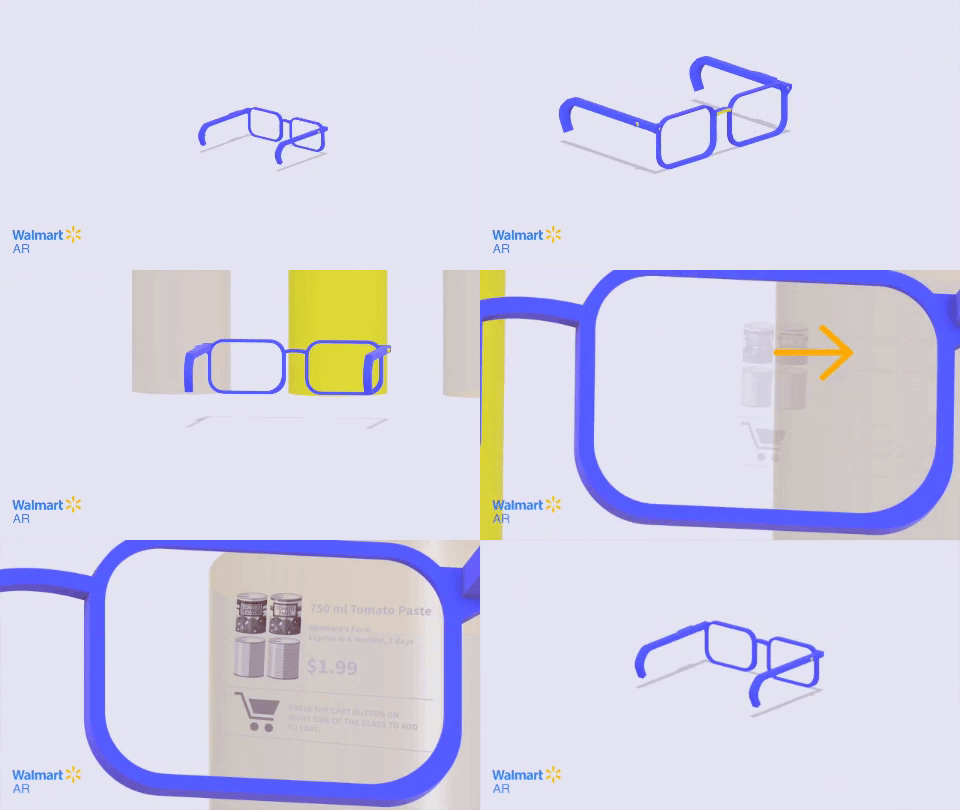
Walmart AR
Mixed reality solution for in-store navigation and self-checkout.
“Come up with a solution to help customers navigate to products, help them create shopping lists and self-checkout. Also, protect this solution from competitors. ”
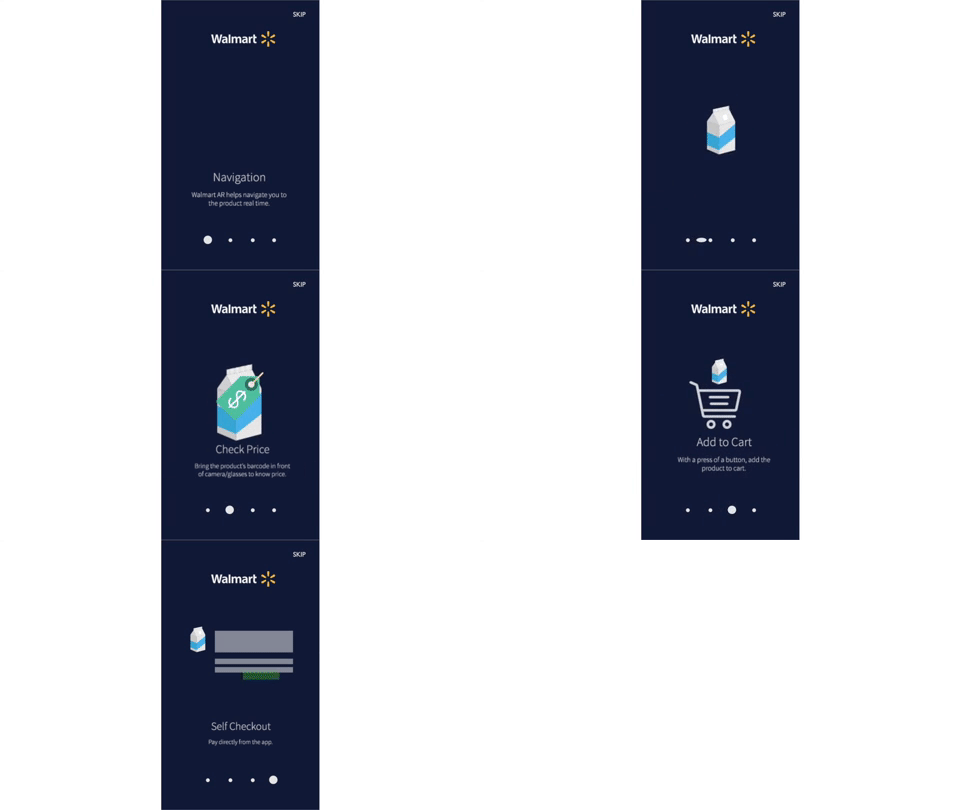
Splash Screens
Motion Designed Splash Screens to Onboard the user.
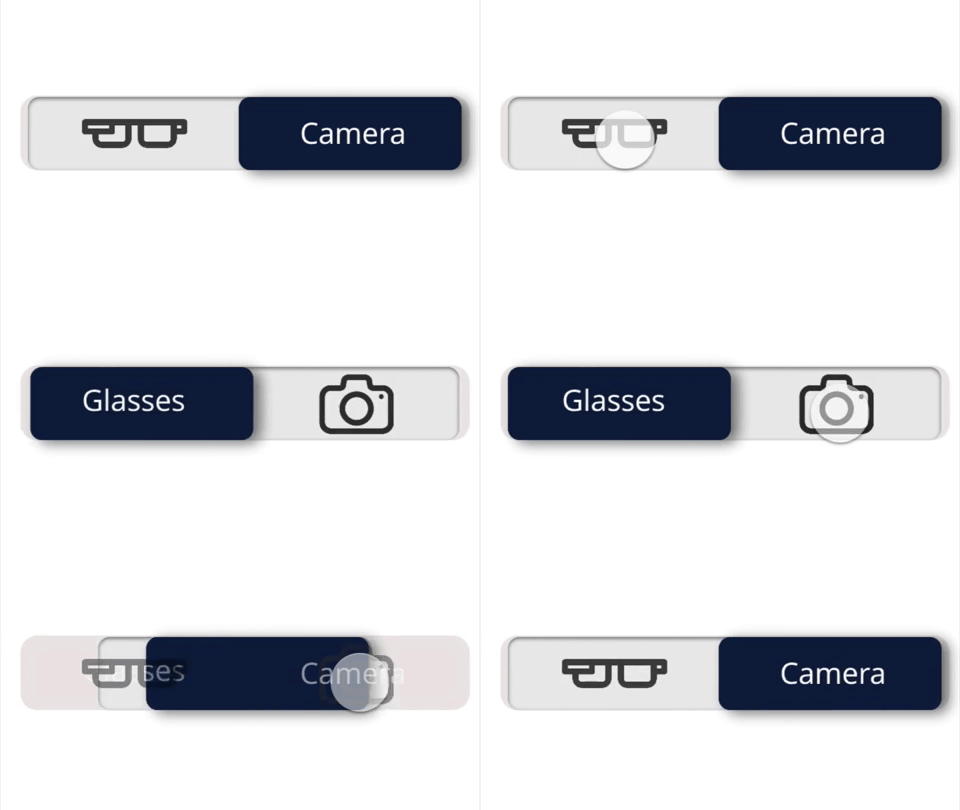
Toggle Glasses/Camera
We simplified the camera based AR navigation. The user can easily switch back and forth between the technology they are more comfortable with.
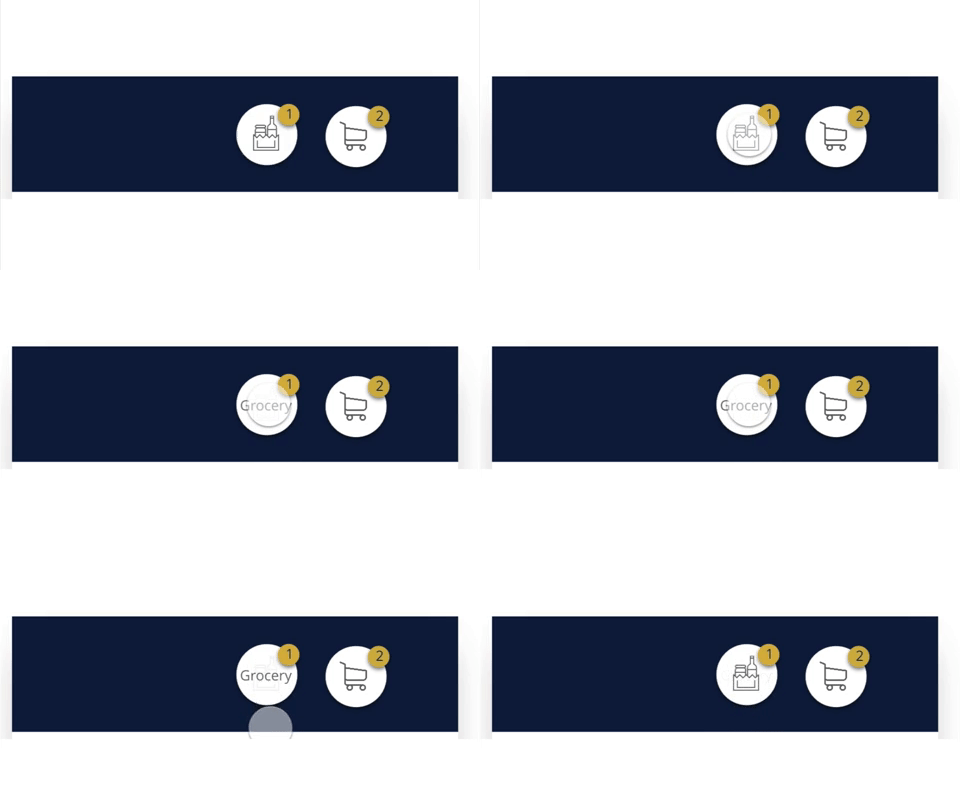
Hover Caption
Sticking to Walmart's updated design Guidelines I crafted micro-interactions which aligns with their philosophy.
TEAM WALMART

Final project for User Experience Design class conducted by Prof. Lennart Nacke @ University of Waterloo
PROCESS
1.
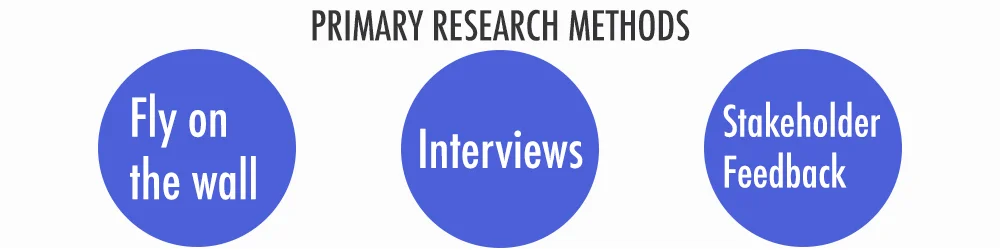
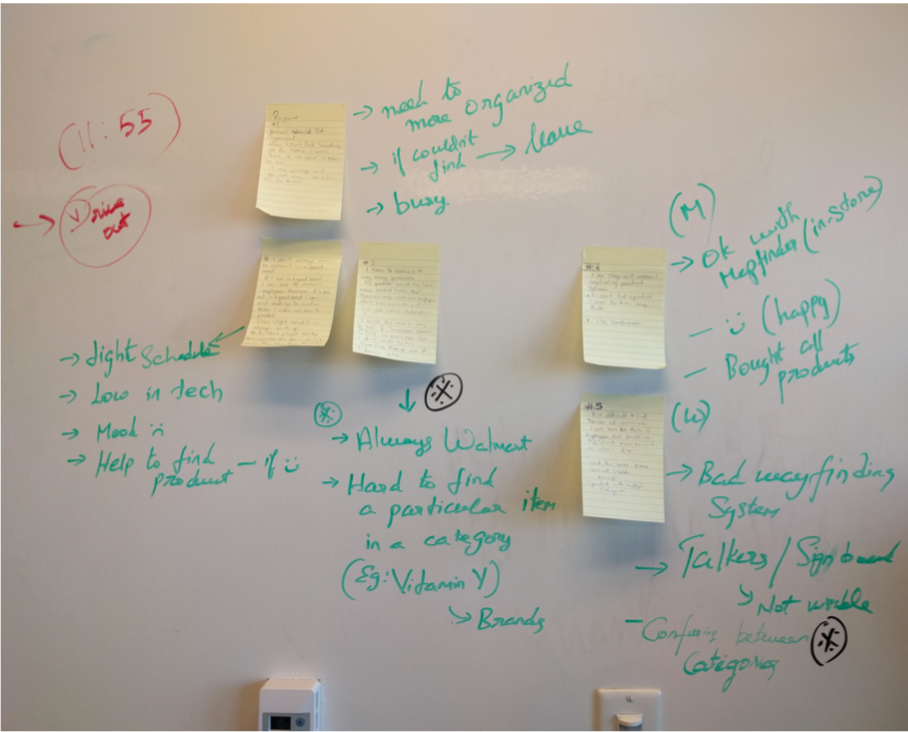
Interviews
We clustered interviews based on the problems customers were facing. Later, I brought in insights from my observations which corroborated with a particular customer behaviour.
2. IDENTIFYING USER's PAIN POINTS
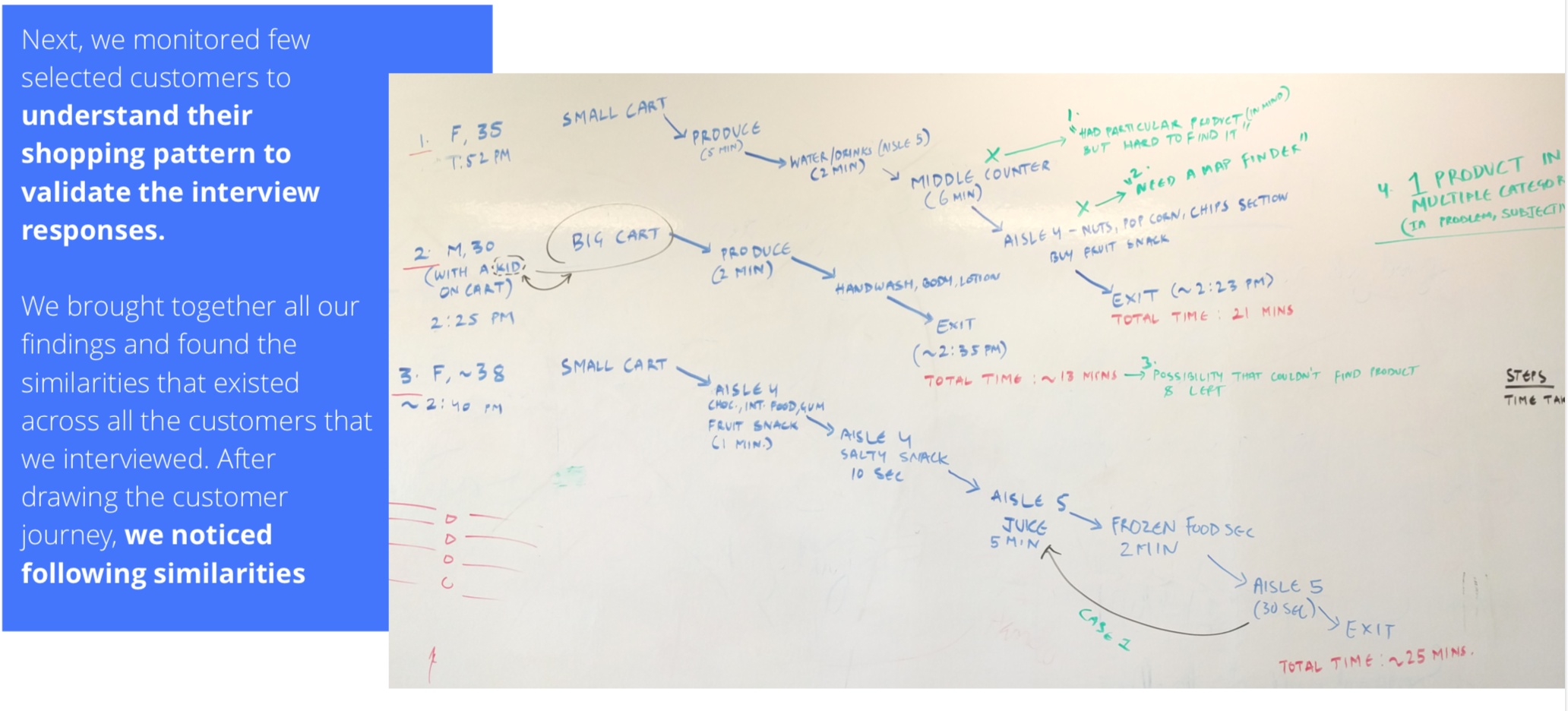
UX Mapping
I gathered the data from interviews and observations to map out individual customers' experience. With inputs from my colleagues I was able to find a trend in pain points for customers during their shopping experience.
3. KEY USER GROUPS
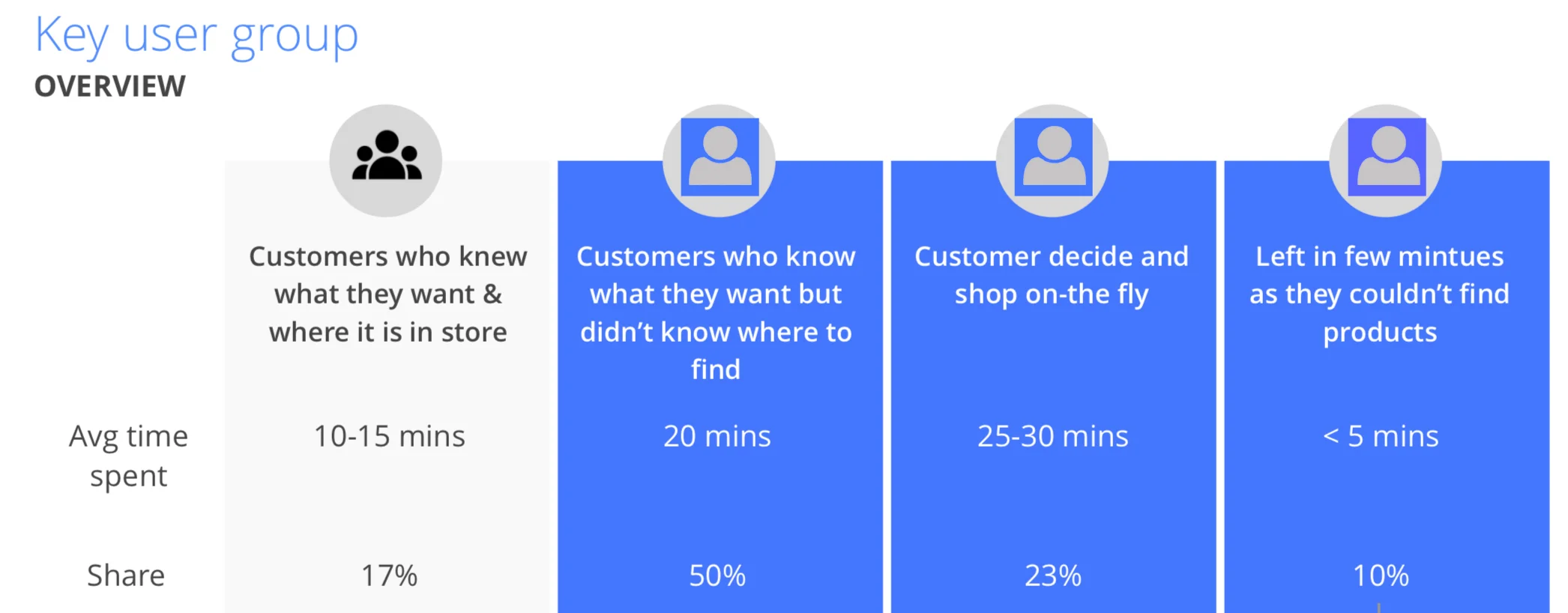
Target Customers
Highlighted in blue was the target market I identified because they made up about 75% of the customers we had the data on.
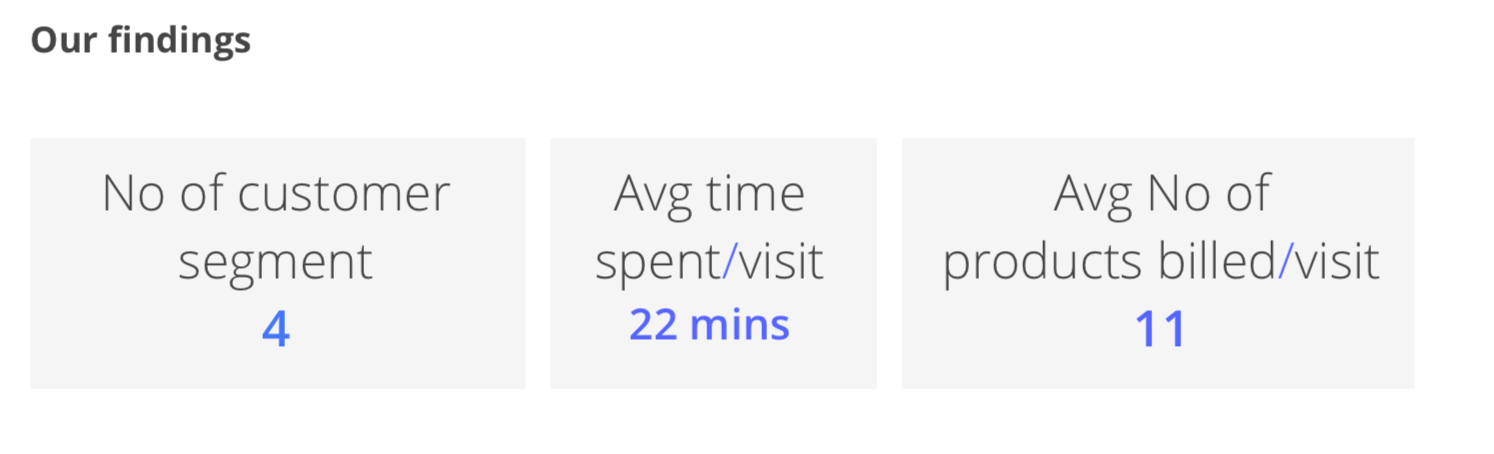
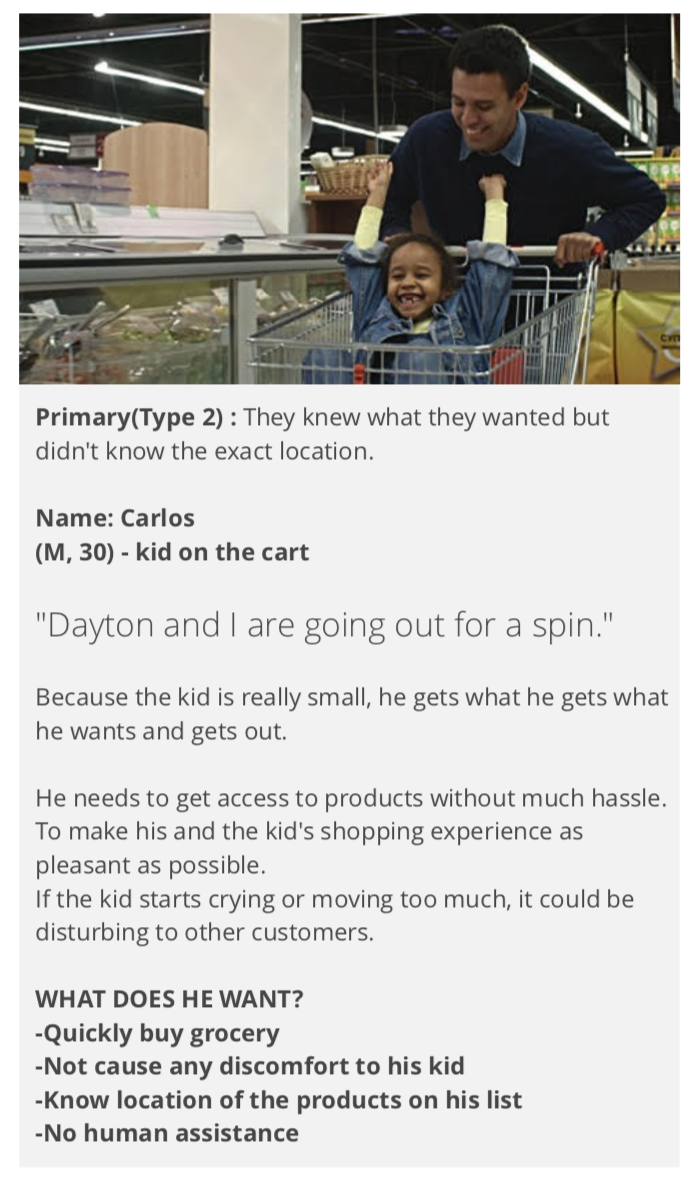
PERSONA
Based on the the primary identified key group.
4. IDENTIFYING KEY USER TASKS
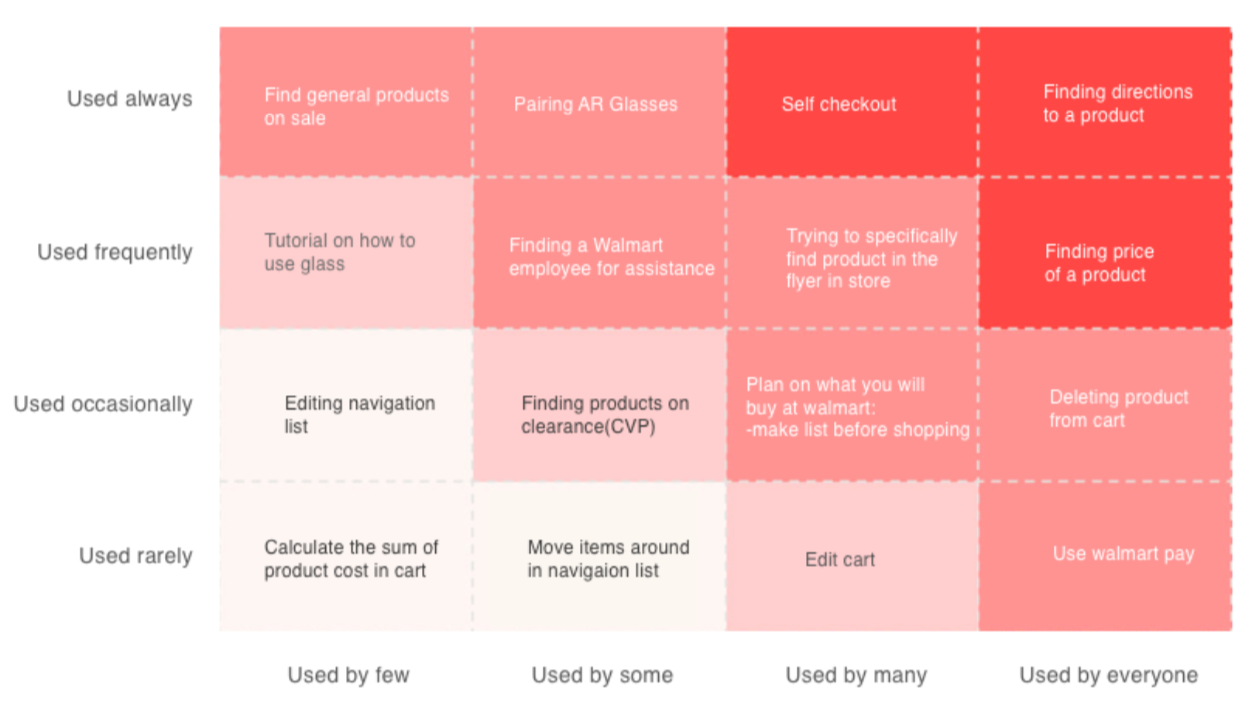
Red Routes
Christabelle and I identified the key tasks by generating user stories based on our persona.
5. SOLUTION HYPOTHESIS
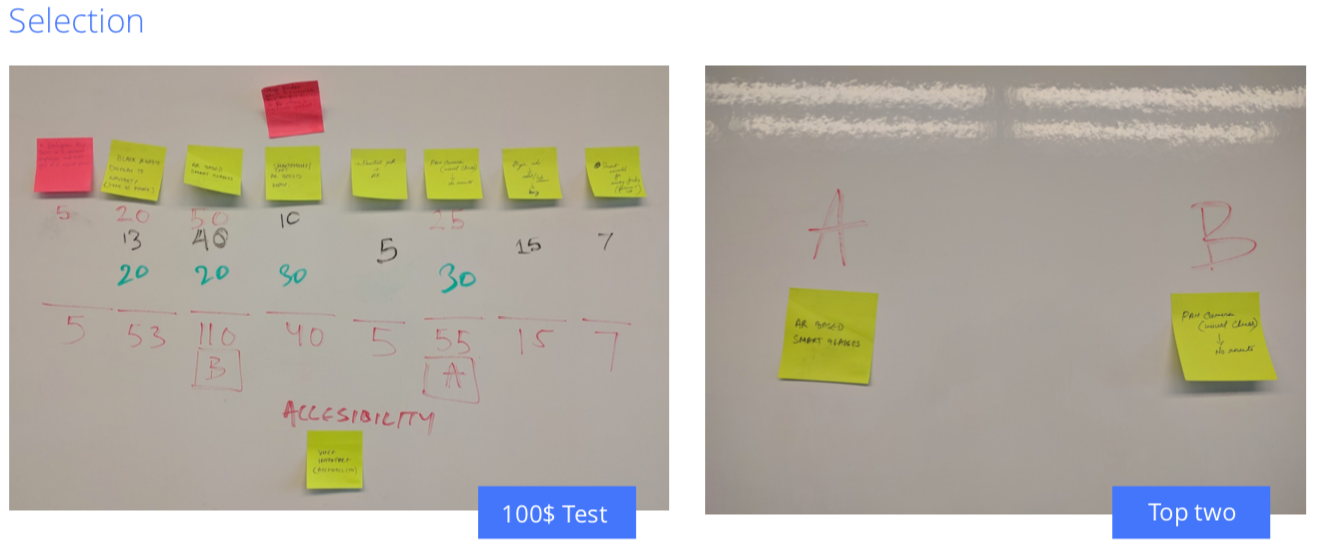
$100 Test
Our team came up with more than 12 possible solutions. Which were boiled down to two through $100 test selection method.
6. INITIAL DESIGN SKETCH
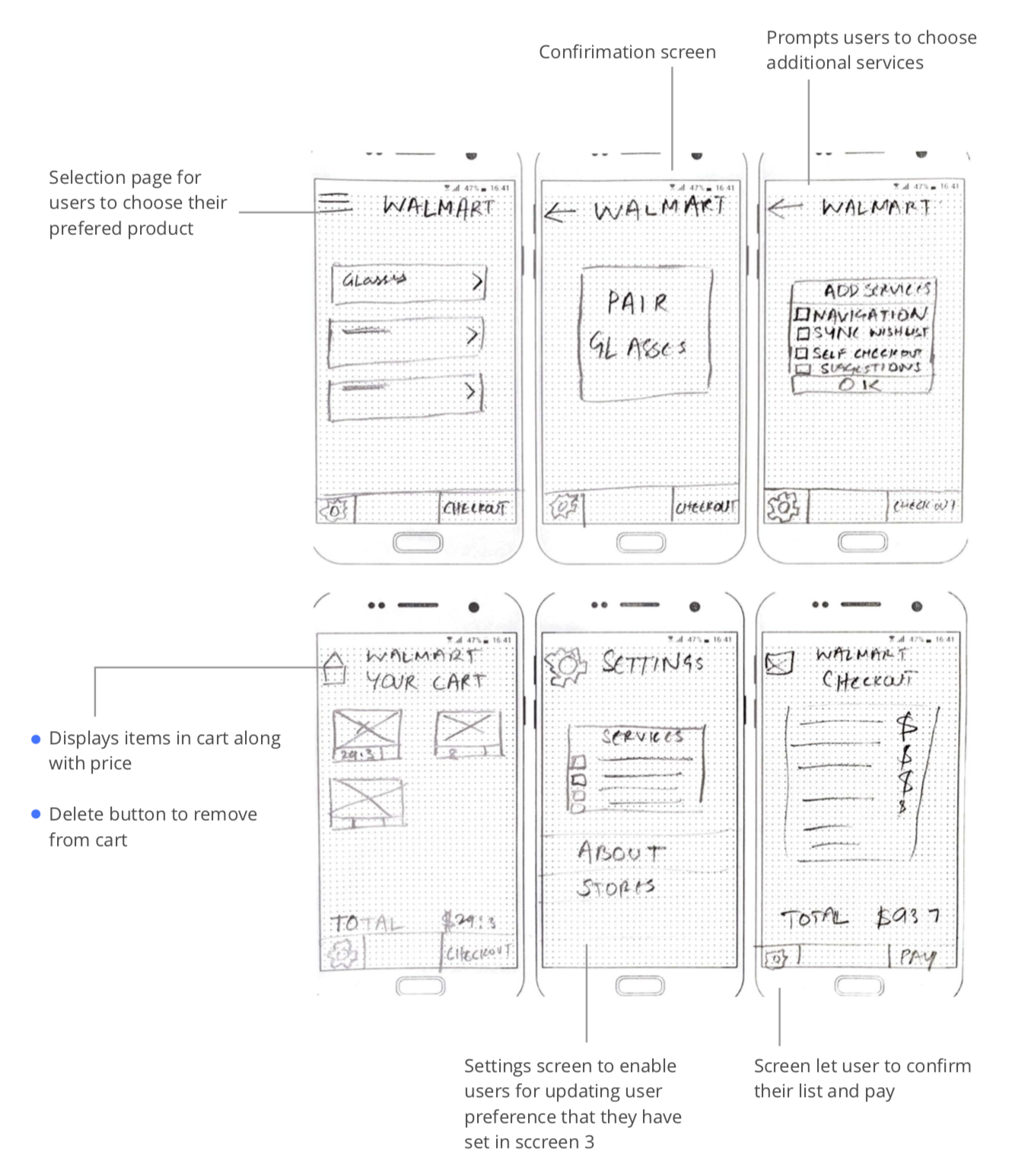
MID-FI Design Sketch
I was responsible for creating a Mid-Fi design sketch after going through Lo-Fi iterations and before Charen assembled the Hi-Fi prototype.
7. ITERATIONS
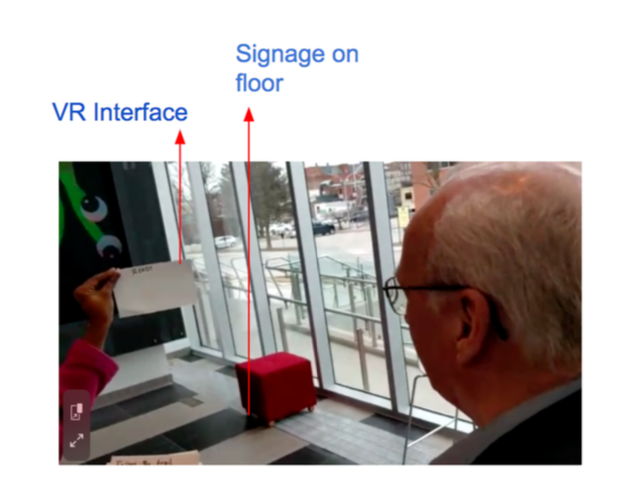
RITE
I employed Rapid Iterative Testing & Evaluation method to test the AR based Lo-Fi solution. To simulate Augmented Reality with the tester I used the Wizard of Oz method by using placards with text and pointers on floor to navigate the user to the desired product.
8. HI - FI PROTOTYPE
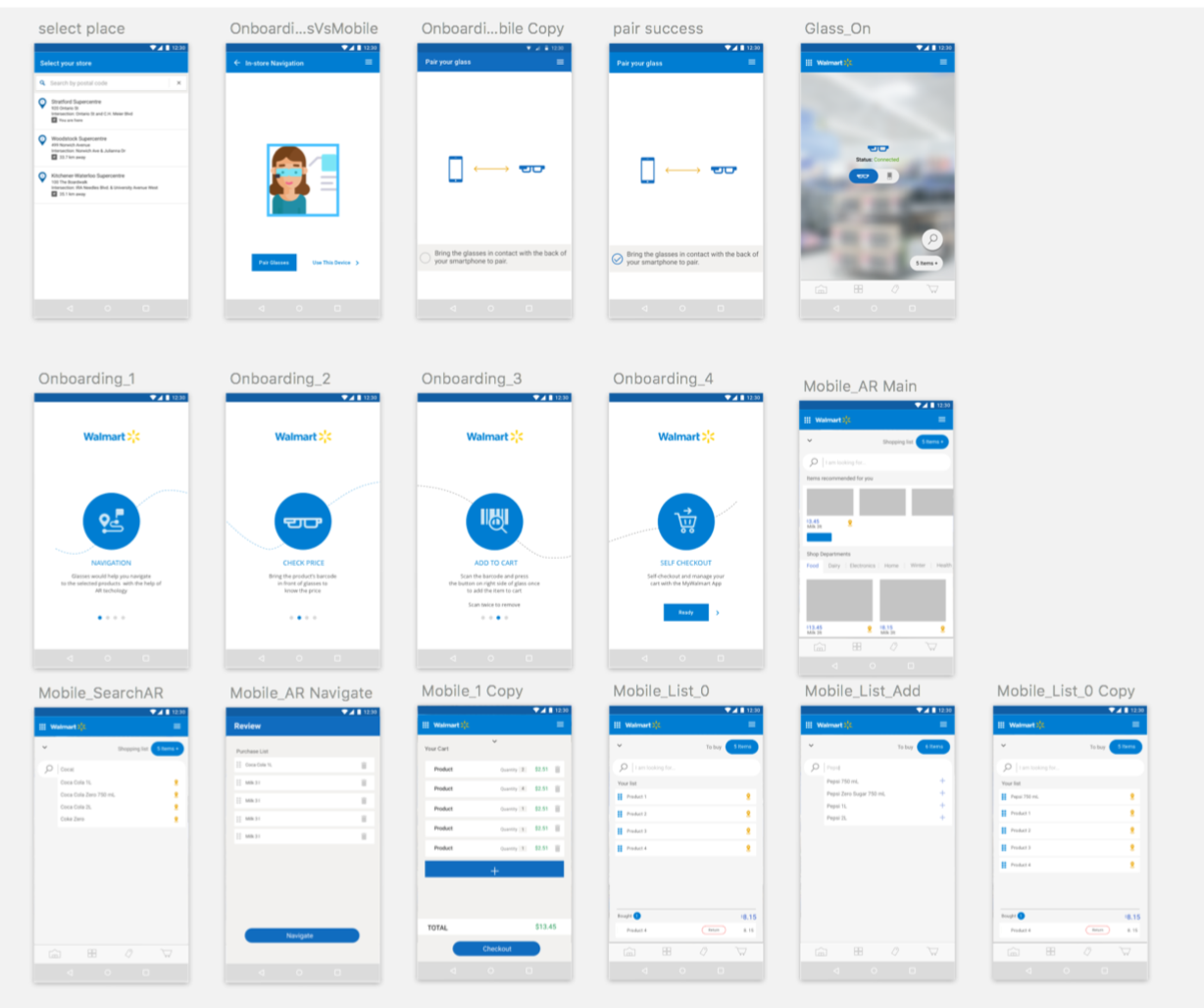
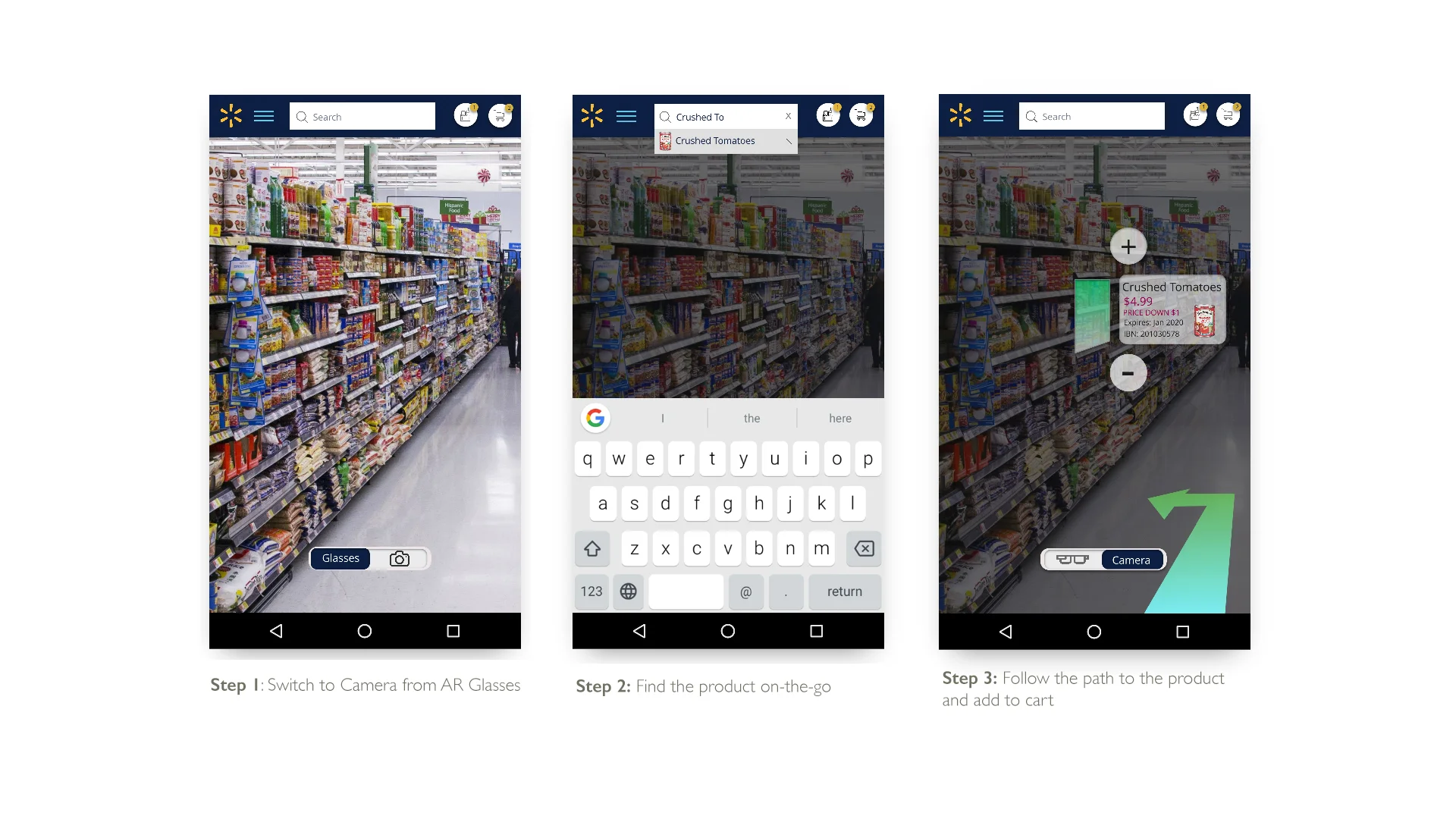
Hi-Fi Mobile Interface
I assisted Charen in creating UI elements and interface for when the user puts on AR Glasses.
I kept in mind to make the user familiar with the glasses through textual and illustrative instructions on our mobile interface by designing Splash Screens and providing contextual information.
*Final Interactive Prototype available on request.
9. CONCEPT VISUALIZATION
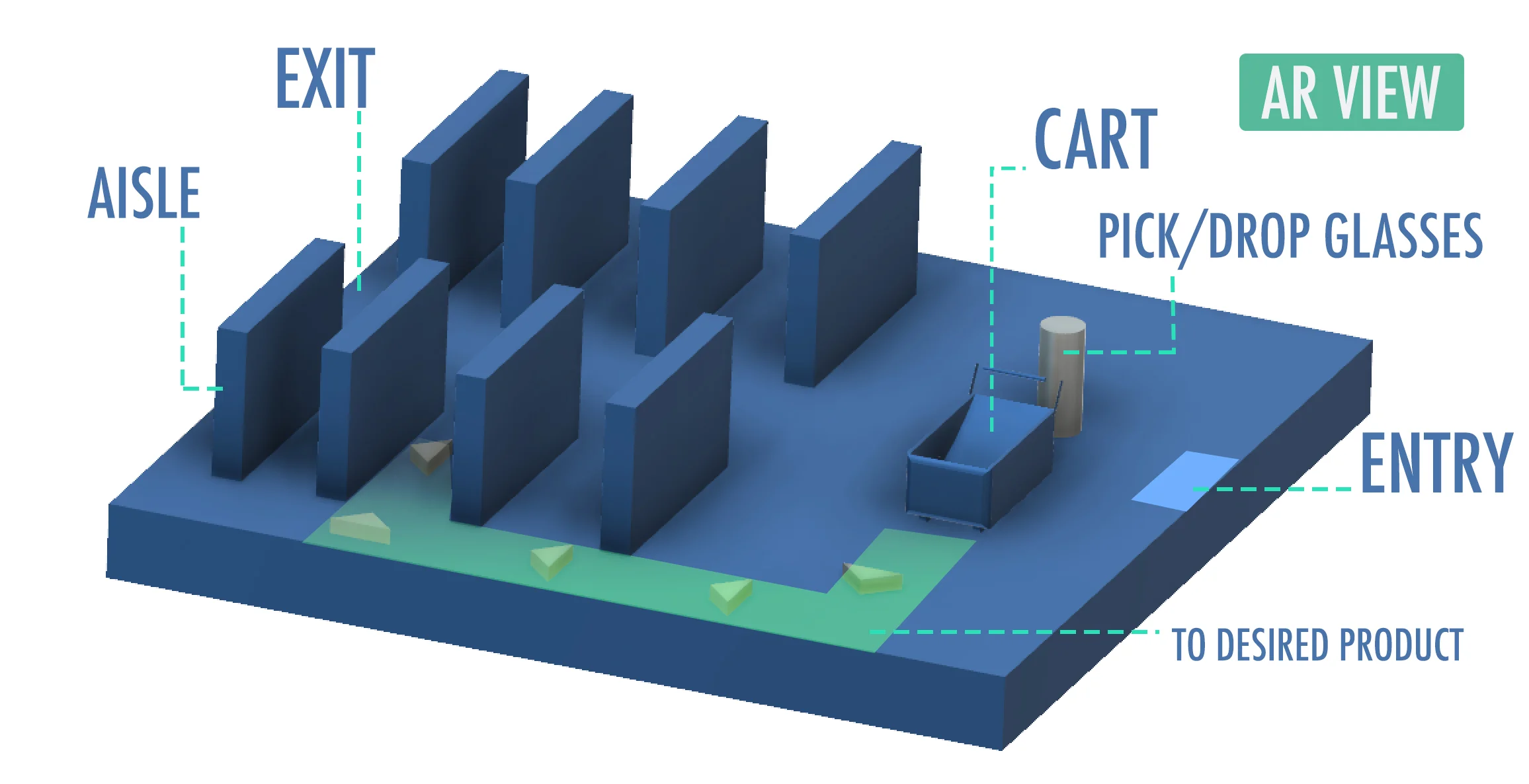
Created by Anurag Rai
Tools
Walmart AR was made possible by the following tools.

FEEDBACK AND LEARNINGS
o The project wasn't a 100% success in terms of reaching the objectives but the takeaways have been invaluable. That has to be the primary objective of any academic project in my opinion.
o We gave ourselves freedom to diverge as much as we could while ideating. The reason we chose to step away from screen based solution was to see what the principles of UX and Visual Design would mean in an Augmented Reality based solution. It was an experiment, yes. A successful experiment!
o I personally realized the meaning of empathetic and user-centric design while user testing. Our prototype relied heavily on user's imagination to be able to conjure up messages, prompts, other graphical elements, to be able to use a completely new hardware which they weren't aware of (AR Glasses). I watched them struggle (and thought I'd fail the course). Our aim was to make their experience at Walmart convenient and better, not the opposite.
o In theory, our solution was ideal but perhaps, we needed to wait a couple of years more for AR Technology and prototyping tools to evolve.
o Our research indicated most of walmart's customers came from canadian middle class or lower middle class and considering the high initial investment for the implementation of aR Tech I feel a premium store like zehr's or sobey's would have been a better choice instead.
o At the end, our team passed the course with an impressive grade. Our vision was appreciated by peers and professor equally. As I work on interactive media/UX based projects in future, I'll always have learnings from this project with me for the rest of my professional career.